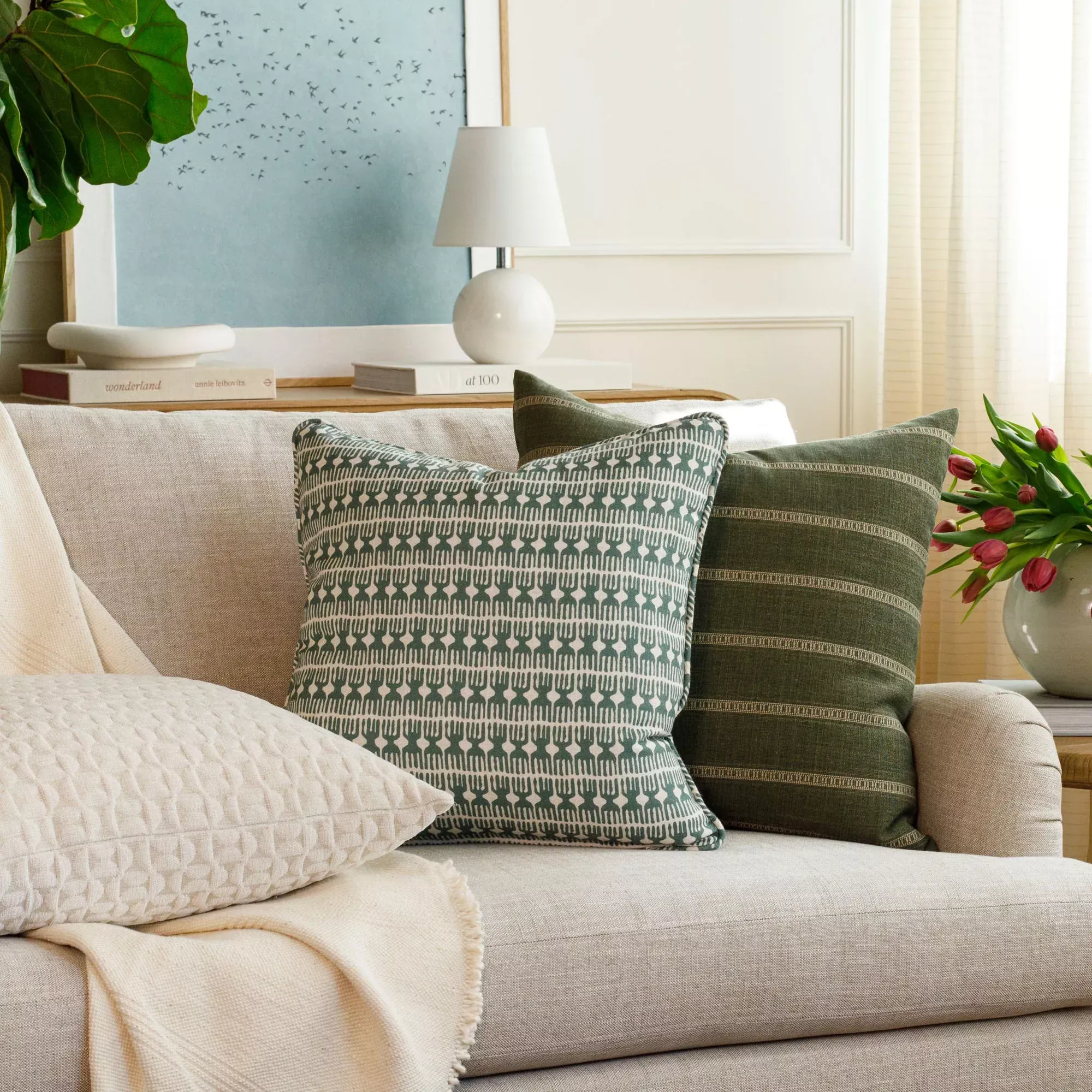
Sectional Living Room Styling: 29+ Tricks That Actually Work
Disclosure : This post may contain affiliate links or paid partnerships. I may earn compensation if you click a link or make a purchase, at no additional cost to you. See my disclosure for more info.
Can we be straightforward with each other?
You walk into your living room and something feels off. You can’t quite name it, but the discomfort is real.
The sectional is there, doing its job. But the room itself? It feels thrown together rather than thoughtfully designed.
You’ve scrolled through hundreds of beautifully styled spaces. Rooms that look effortless and polished. Then you look at yours.
The gap feels impossible to close.
But here’s the truth designers know that most homeowners don’t.
It’s never the sofa. It’s rarely the budget.
It’s the choices you make around that sectional — how you position it, style it, and layer the details — that determine whether a room feels designed or just furnished.
We’re going to walk through every single one of those choices right now.
Here we go.
The Sectional Sets the Stage for Everything
Let’s establish something important before diving into tips.
In any living room, the sectional is the dominant visual anchor. It shapes the mood, the flow, and the feel of the entire space.
Every other element — lighting, rugs, accent pieces — responds to it.
Style the sectional well, and every other decision becomes easier.
Style it poorly, and all the beautiful throw pillows in the world won’t save the room.
Layouts That Solve Common Room Problems
1. Give It Room to Breathe
Pushing the sectional hard against the wall is the most frequent mistake in living room arrangement. It makes the space feel like a lobby.
Move it 8 to 12 inches forward. The room immediately gains depth and reads larger without changing a single square foot.
2. Let the L-Shape Do the Dividing
An L-shaped sectional is a natural space divider. Orient the longer section to separate your sitting area from a dining nook or hallway.
No walls, no partitions. The furniture handles the architecture.
3. Face It Toward the Focal Point
Whatever serves as your room’s anchor — the fireplace, the TV, a sweeping window — your sectional should face it directly.
Instinct says point seating toward the door. But you live in this room. Design it for your life, not for visitors entering.
4. Rotate It in a Symmetrical Room
Perfectly square rooms often feel sterile and uninspired.
Turning the sectional on a gentle diagonal introduces visual movement and dynamism that a straight arrangement simply can’t achieve.
5. Corner-Place in Large Open Spaces
Vast open-plan rooms can swallow furniture. Pressing the sectional into a corner gives the space structure and creates a cozy, human-scaled zone.
A round coffee table completes the setup, carving a defined area within what could otherwise feel like an empty warehouse.
Smart Approaches for Smaller Spaces
6. Opt for a Reversible Configuration
Rooms under 250 square feet benefit enormously from a reversible chaise sectional. You can rearrange the layout whenever you want a fresh look or better flow.
Flexibility is the most valuable feature in a small space.
7. Lose an Arm
A sectional with one armless end allows your sightlines to travel farther. Without the visual stop, the room appears wider and less cramped.
Professional designers use this trick constantly, and now you know why.
8. Prioritize Legs Over a Skirt
Exposed legs beneath a sectional create a continuous line of floor space. That visual stretch makes the room feel roomier than it actually is.
9. Echo the Wall Color in Your Sofa Choice
A sectional that closely matches the wall color seems to melt into the backdrop. In a small room, reducing visual competition makes the space feel calmer and larger.
Try a soft sand sofa against sandy walls — the effect is remarkable.
10. Trade the Coffee Table for Smarter Alternatives
A traditional coffee table in a tight room creates congestion and frustration.
Nesting tables or C-tables keep the surfaces you need without eating up precious walkable floor space.
Styling Choices That Transform the Room
11. Always Go Larger With the Rug
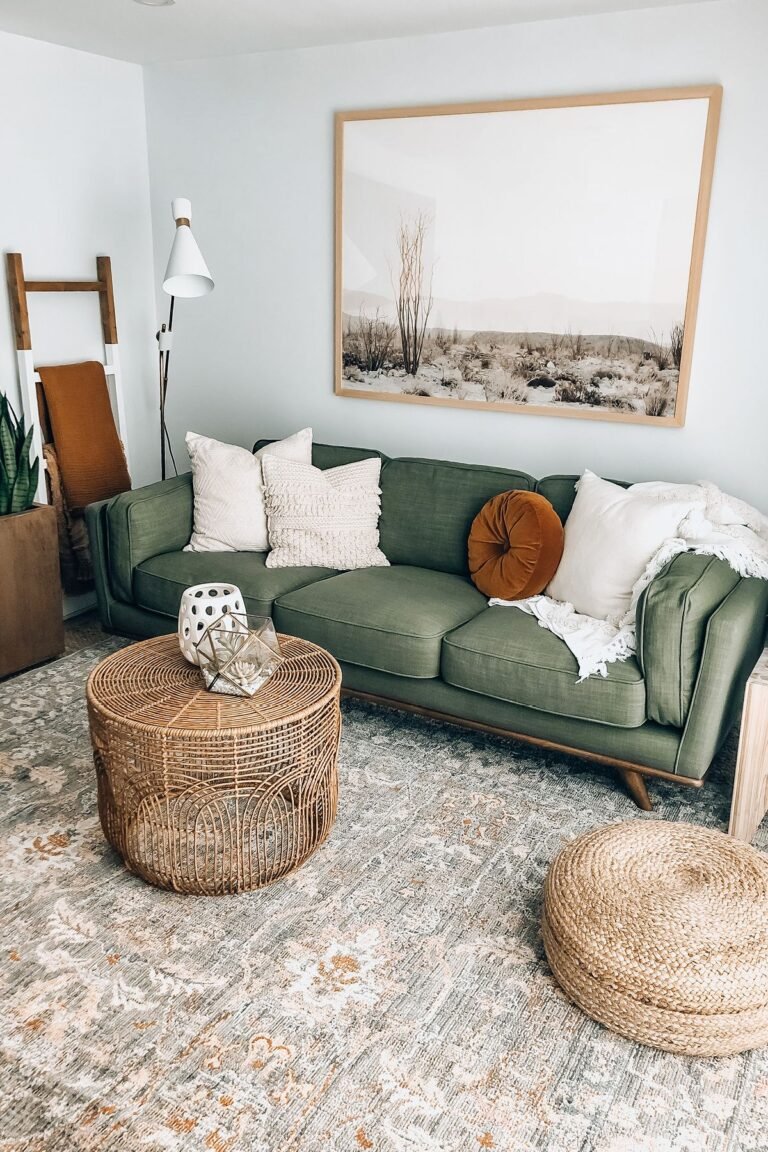
Choose a rug large enough that the front legs of every sectional section sit on it.
A small rug under a large sofa looks like an oversight. Oversights read as amateur. Neither is the look you’re after.
12. Use Odd Numbers for Throw Pillows
Three or five pillows. Not four, not six.
Odd groupings feel dynamic and intentional. Layer a velvet, a linen texture, and a patterned pillow in a cohesive palette — and the sofa looks curated, not cluttered.
13. Layer a Throw Over the Chaise End
The chaise often looks sparse compared to the rest of the sectional. A chunky knit or woven throw draped casually over it adds visual mass and invites relaxation.
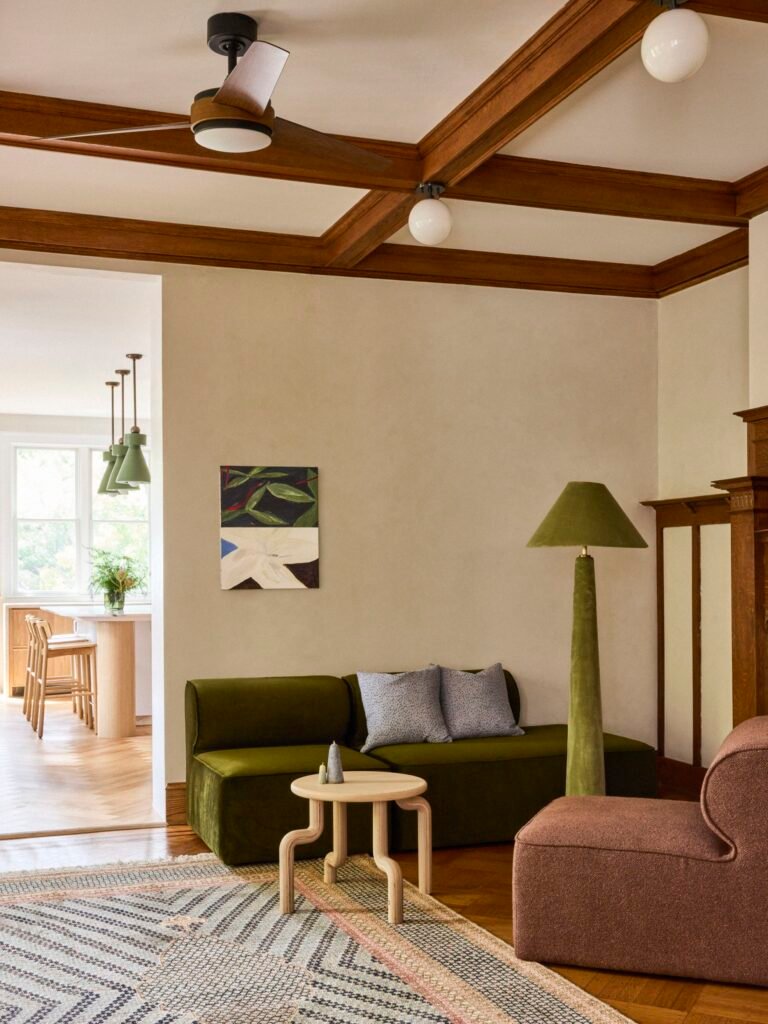
14. Fill the Corner With a Statement Lamp
The inner corner where the sectional sections meet is crying out for a light source. An arc lamp or a tall sculptural fixture placed there delivers vertical interest and soft, flattering light.
15. Keep Artwork Low and Connected
The rule is simple: hang art no more than 6 to 8 inches above the top of the sectional’s back.
Art that floats too high becomes disconnected from the furniture. The room loses its sense of cohesion.
Ground the art to the sofa and the whole composition clicks.
Fabric and Color Pairings That Create Lasting Rooms
16. Don’t Fear a Dramatic Color
Deep teal, midnight navy, or rich burgundy — a jewel-toned sectional transforms from a piece of furniture into a statement.
Surround it with neutral walls and metallic accents, and the whole room reads elevated and intentional.
17. Performance Fabric Is Always the Right Call
It’s not the most exciting recommendation. But it’s the one that prevents heartbreak.
Fabrics like Crypton or Sunbrella are visually indistinguishable from standard upholstery. They’re just designed to handle real life.
18. Light Sofa, Dark Accents
A light-colored sectional doesn’t have to feel delicate or impractical — especially with performance upholstery underneath and bold contrasting pillows on top.
White or cream base with charcoal, navy, or black cushions creates a graphic, sophisticated look.
19. Slipcovers Make Seasonal Styling Easy
A slipcovered sectional lets you change the aesthetic without changing the sofa. Light and breezy for summer. Rich and textured for winter.
Two distinct looks. One piece of furniture. One purchase.
Configurations Built Around Real Living
20. Anchor the Open End With an Accent Chair
A statement chair placed at the open side of an L-shaped sectional creates a full U-shape seating arrangement.
Everyone faces the center. Conversation flows organically. No one’s left looking at a blank wall.
21. An Ottoman Beats a Bigger Sofa
Rather than extending the sectional further, an ottoman at the open end delivers far more versatility. It can be a footrest, an extra seat, or — add a tray — a functional coffee table in an instant.
22. Run a Console Table Behind the Floating Sofa
That space between a floating sectional and the wall tends to look accidental.
A slender console table gives it meaning. Style with lamps and a trailing plant and the sofa’s back edge becomes a designed feature, not an oversight.
23. Try Two Sectional Pieces Facing Each Other
If your square footage supports it, two smaller sectional pieces across a coffee table is a setup that feels simultaneously grand and intimate — ideal for hosting groups.
Small Details That Make a Significant Difference
24. Counter Straight Lines With Curves
Sectionals are defined by right angles and straight edges.
A round or oval coffee table in front of one creates beautiful visual contrast. Curved against linear is one of design’s most reliable tricks.
25. Add a Tall Plant for Organic Height
A fiddle-leaf fig or birds-of-paradise beside the sectional does three things at once: it softens hard edges, adds living color to the corner, and fills vertical space in a way furniture alone can’t.
26. Use a Picture Ledge Instead of Nails
A picture ledge above the sectional means you can shift, swap, and layer artwork anytime.
The wall above your sofa stays interesting and changeable — without the permanence of drilled holes.
27. Don’t Forget the Chaise End Needs a Surface Too
Everyone puts a side table at the arm end of the sofa. But when you’re actually lying on the chaise, that table is out of reach.
A petite round table positioned at the chaise end solves a problem most people don’t realize they have until they need it.
28. Use Three Heights of Light
One floor lamp. One table lamp on the console. A pendant or ambient overhead light above.
Three distinct heights of light create depth, warmth, and dimension. A single overhead fixture is the easiest way to make a living room feel flat and cold.
Layer your lighting, and even a simple room feels finished and inviting.
29. Use a Bench to Frame the Seating Area
In rooms with room to spare, a long upholstered bench positioned a few feet from the sectional draws a clear boundary around the seating zone.
It adds overflow seating for guests and gives the whole arrangement a polished, deliberate look.
Make Your Move
You’ve just absorbed decades of professional design thinking condensed into practical, actionable ideas.
Save this somewhere you can find it again.
Next time that uneasy feeling creeps in when you look at your living room, you’ll have a clear framework for diagnosing exactly what’s wrong and exactly how to fix it.
The difference between a room that frustrates you and one that delights you isn’t a bigger budget.
It’s better decisions.
You’ve just stocked up on those.